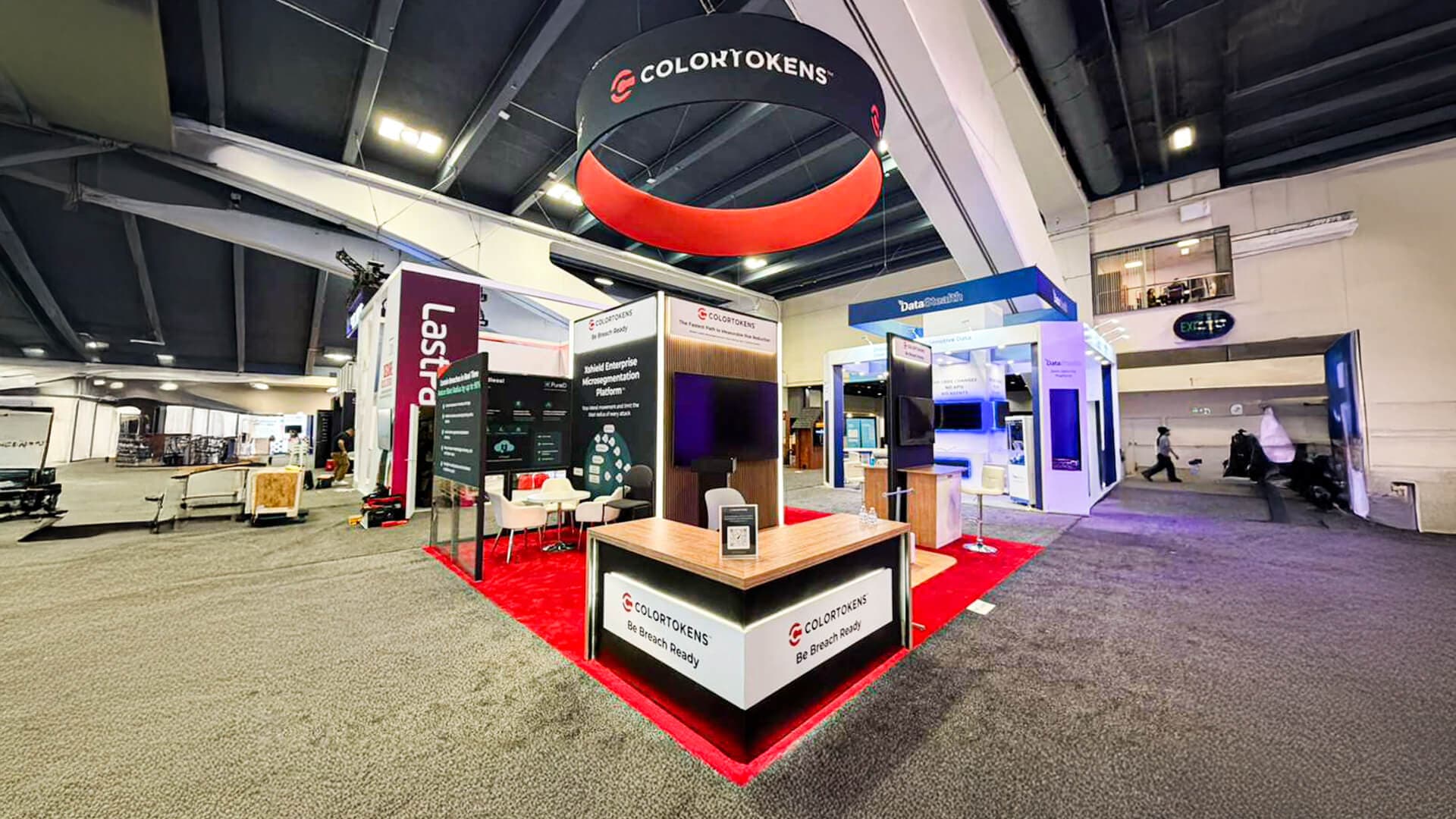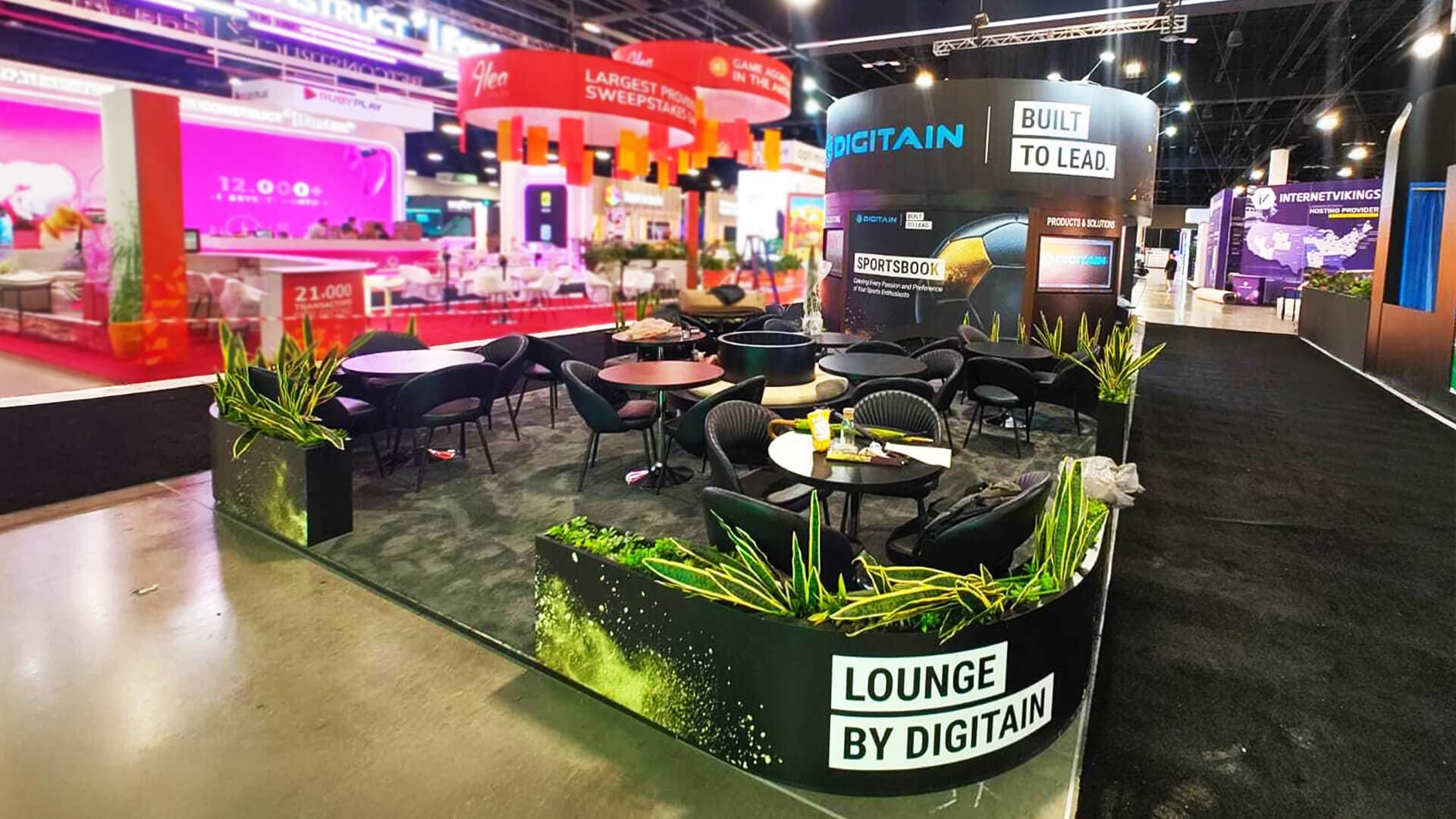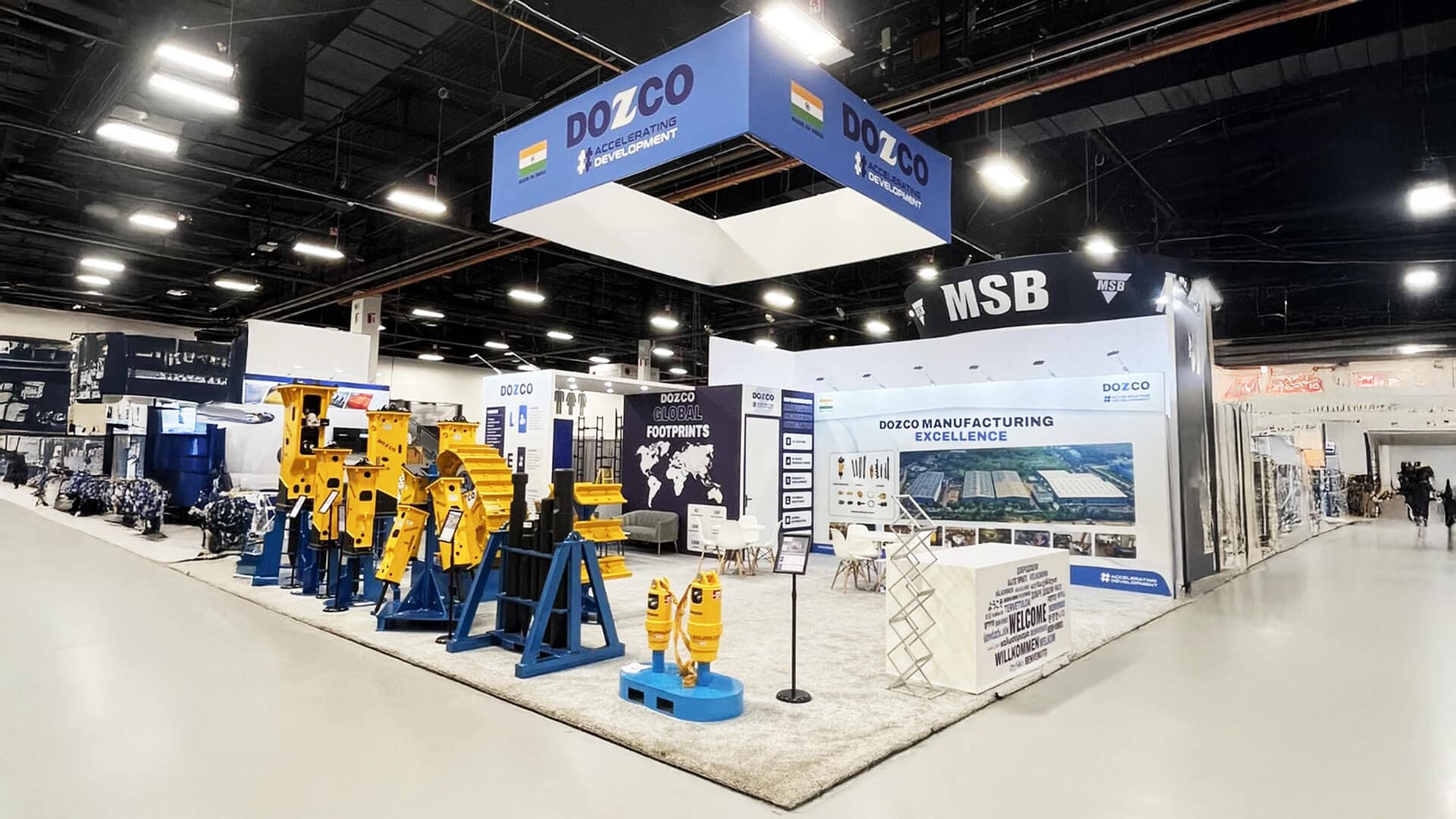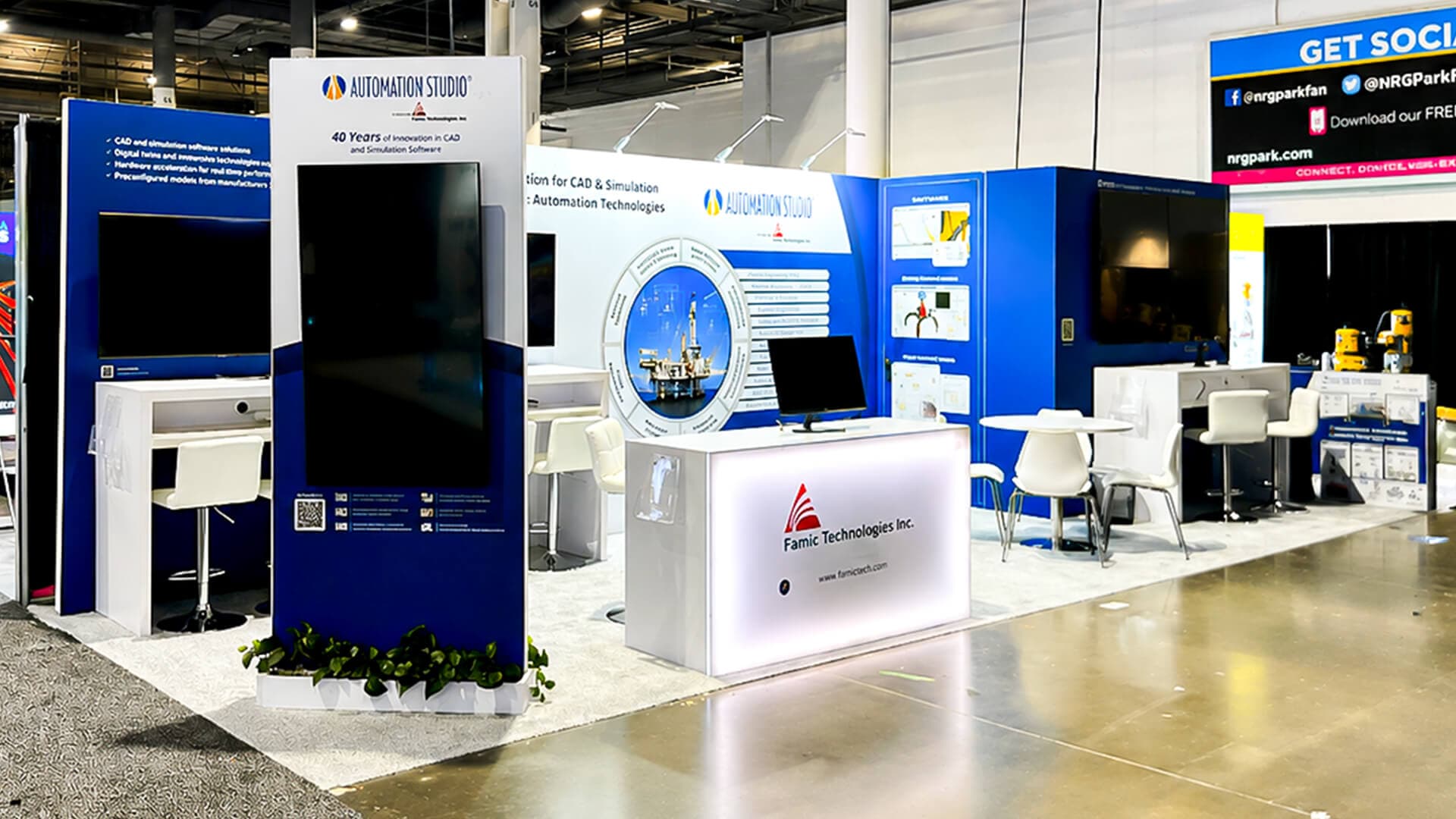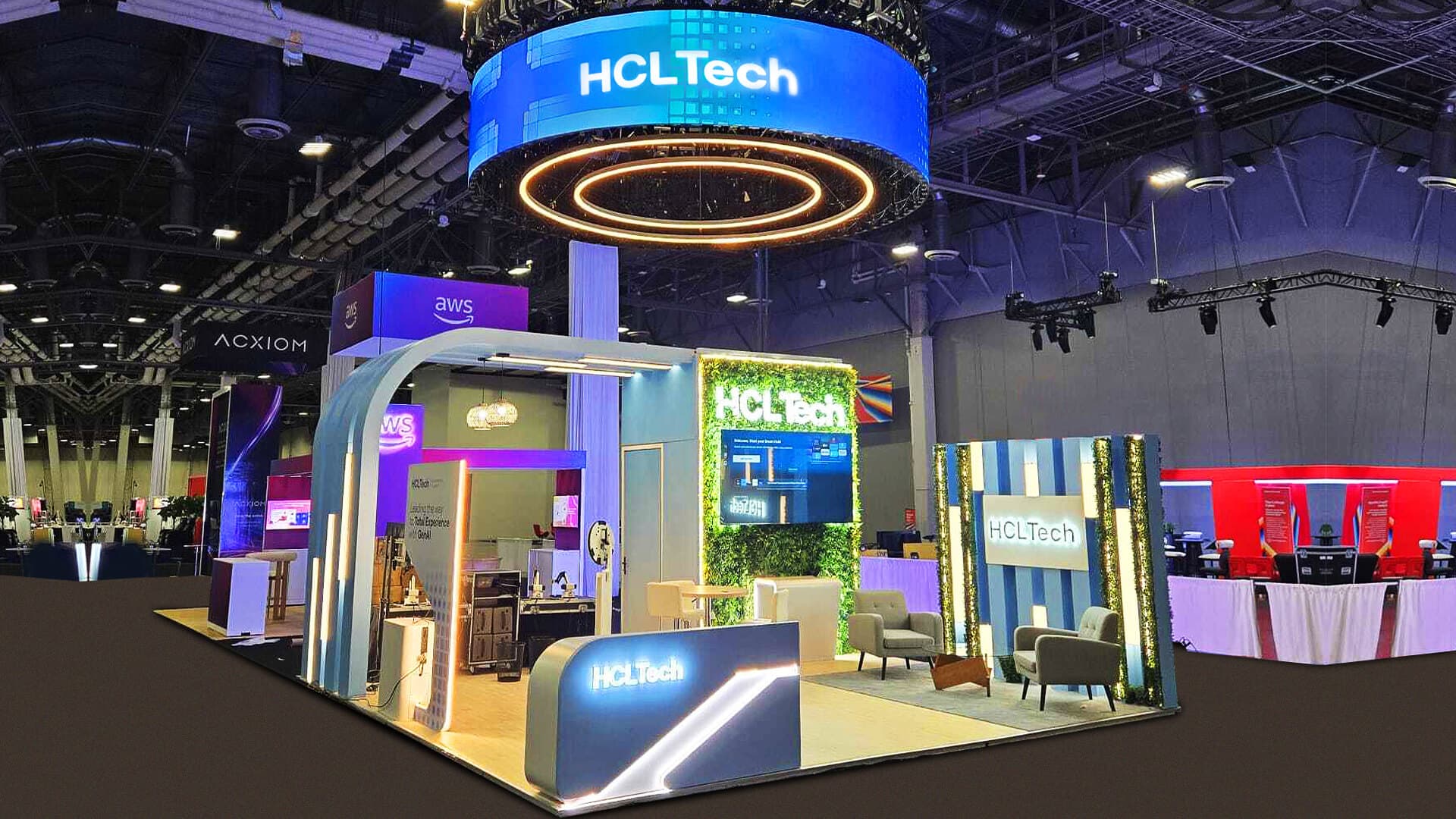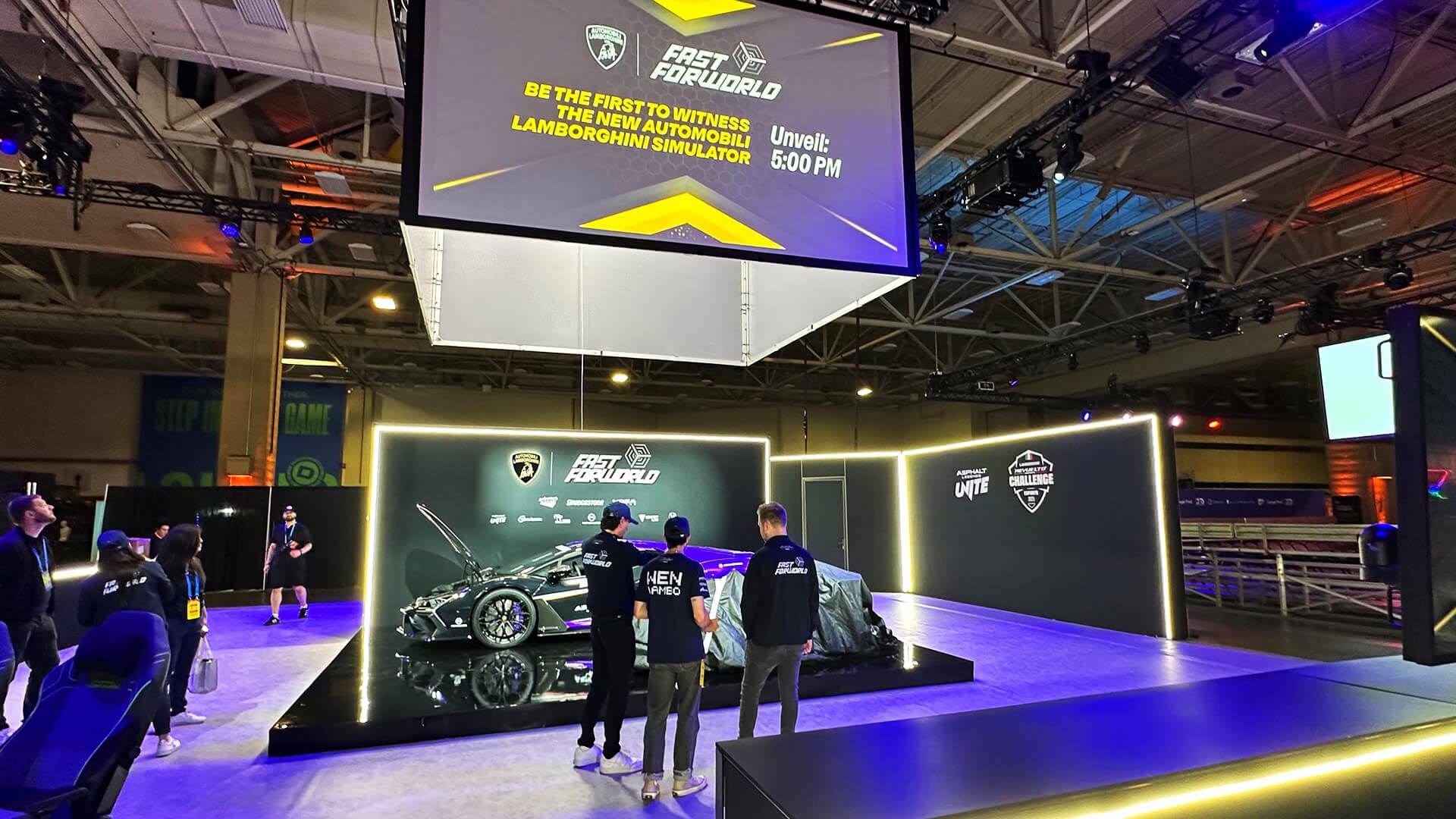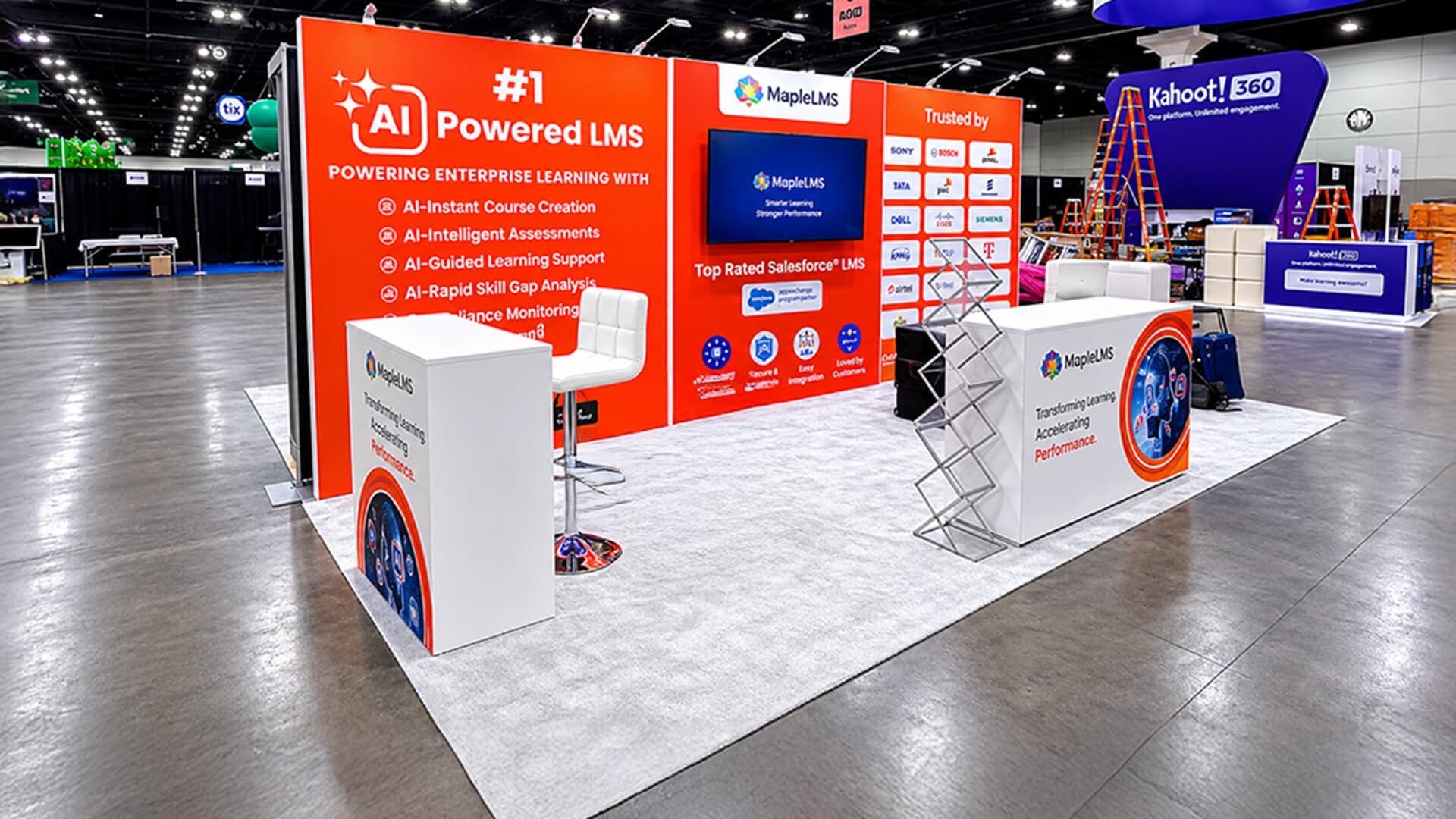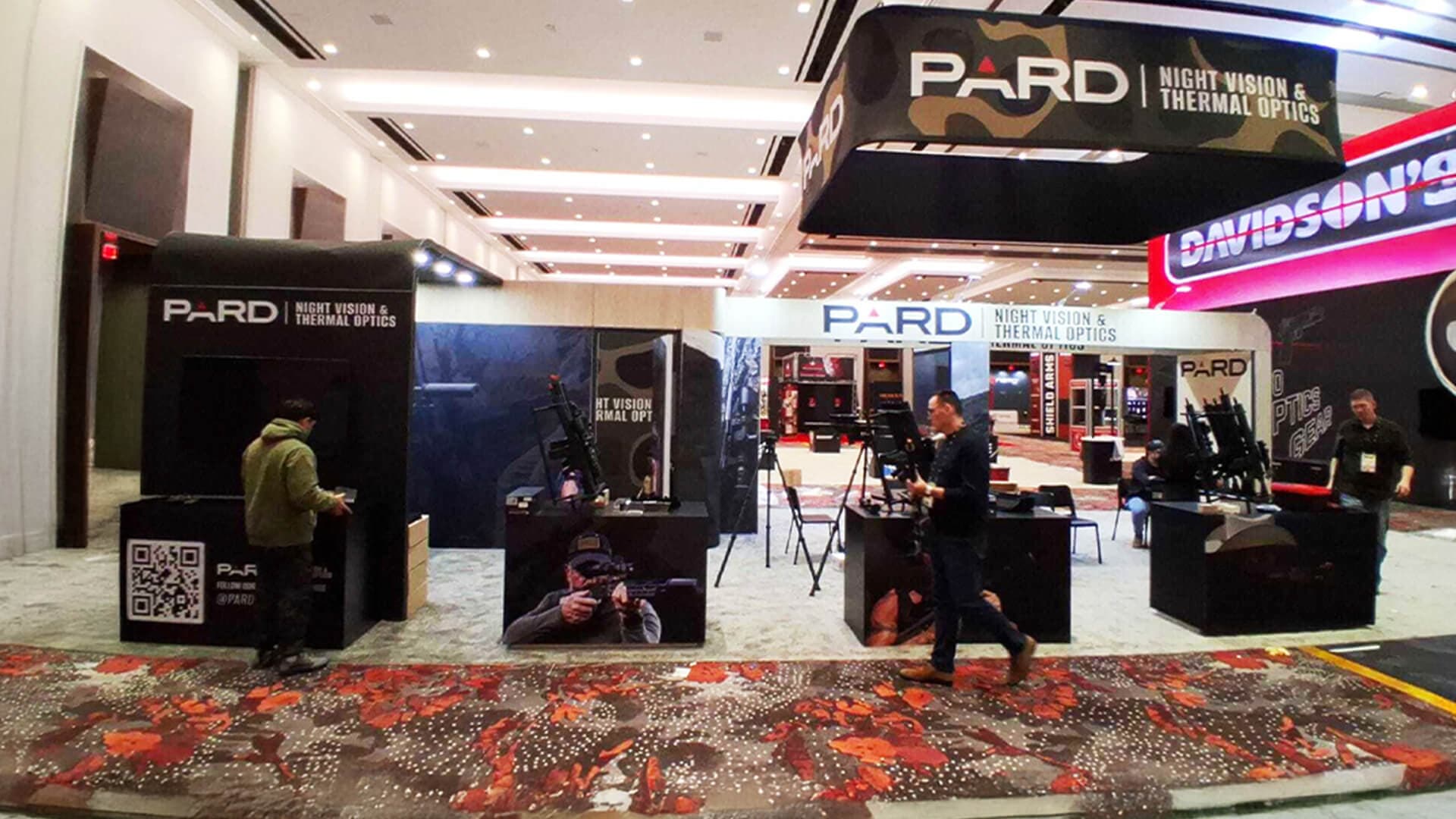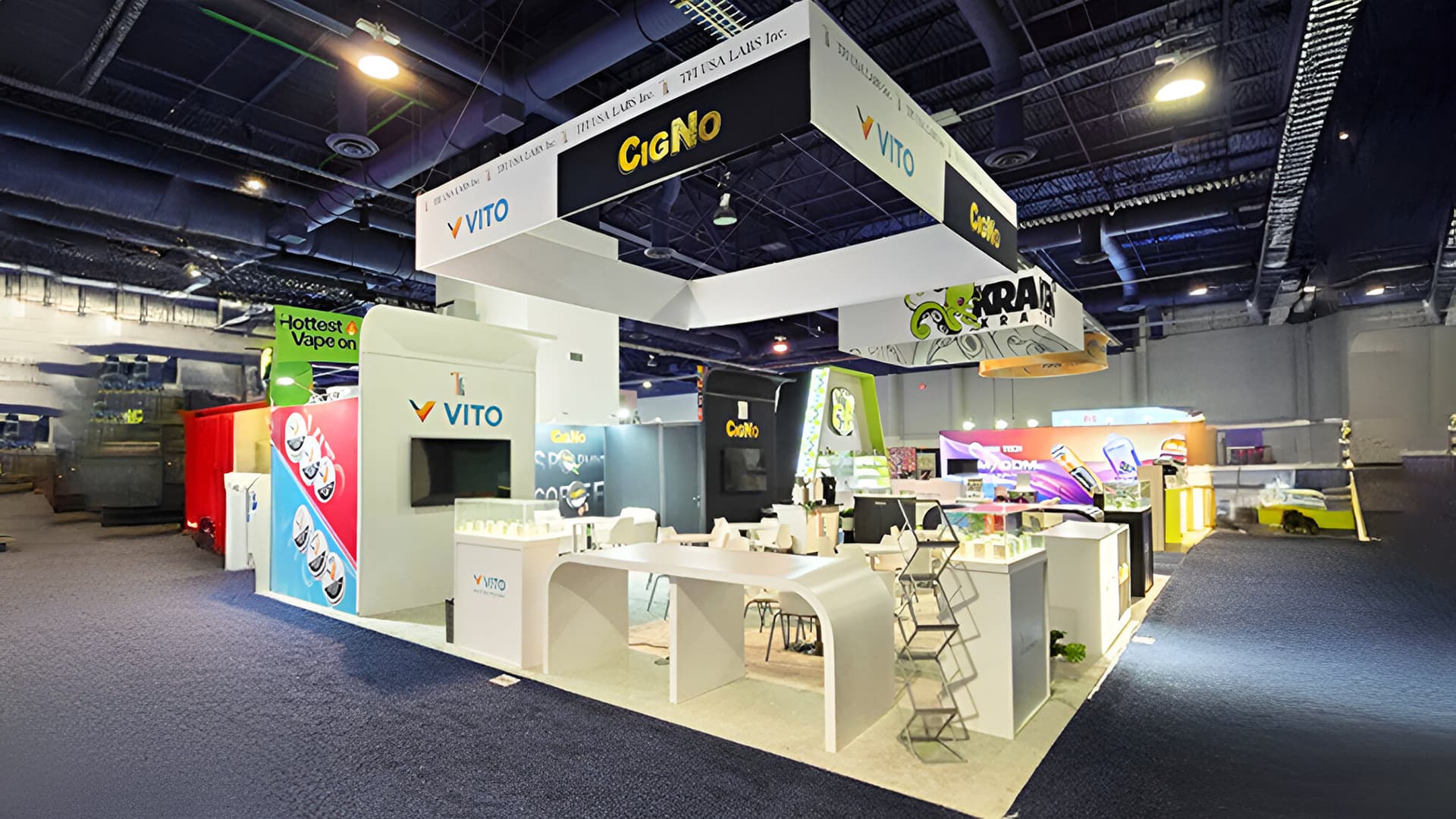
Design around the equipment you will actually bring
Create an inventory of panels, inverters, cabinets, chargers, models and screens before selecting the booth structure. Record dimensions, weights and whether each item is operational or static. Identify how equipment arrives and how it will be positioned. Large products need space for visitors to inspect them without blocking the team or the route to a meeting area.
Make technical demonstrations easy to follow
Choose the message for each demonstration and the audience it needs to serve. Position screens and graphics so a visitor can understand the application before joining a detailed discussion. Describe power, connectivity and mounting needs in the brief. Review any proposed operational equipment or battery display against the current exhibitor rules and obtain required approvals before committing to the setup.
Keep partner meetings separate from equipment viewing
A visitor examining a product and a partner discussing a project need different spaces. Use the footprint to create a clear display edge and a meeting area where practical. Include storage for literature, staff belongings and demonstration accessories. Tell us how many people will staff the booth and whether conversations require seating, a screen or a quieter position.
Compare the full US show cost
Review rental and custom options using the same footprint and display requirements. Separate the structure, graphics, furniture and AV from freight, material handling, electrical orders and other show services. Agree who manages installation, dismantling and the service-order deadlines. Confirm the target move-in arrangements and available production time before approving the delivery schedule.